Built for Inland Northwest Shops
Drive out toward Mead, Colbert, Deer Park, Nine Mile Falls or Cheney and you will see shops and pole barns on nearly every stretch of acreage. Many of them are bare metal on the inside, which means they are freezing in winter, hot in summer and prone to dripping condensation.
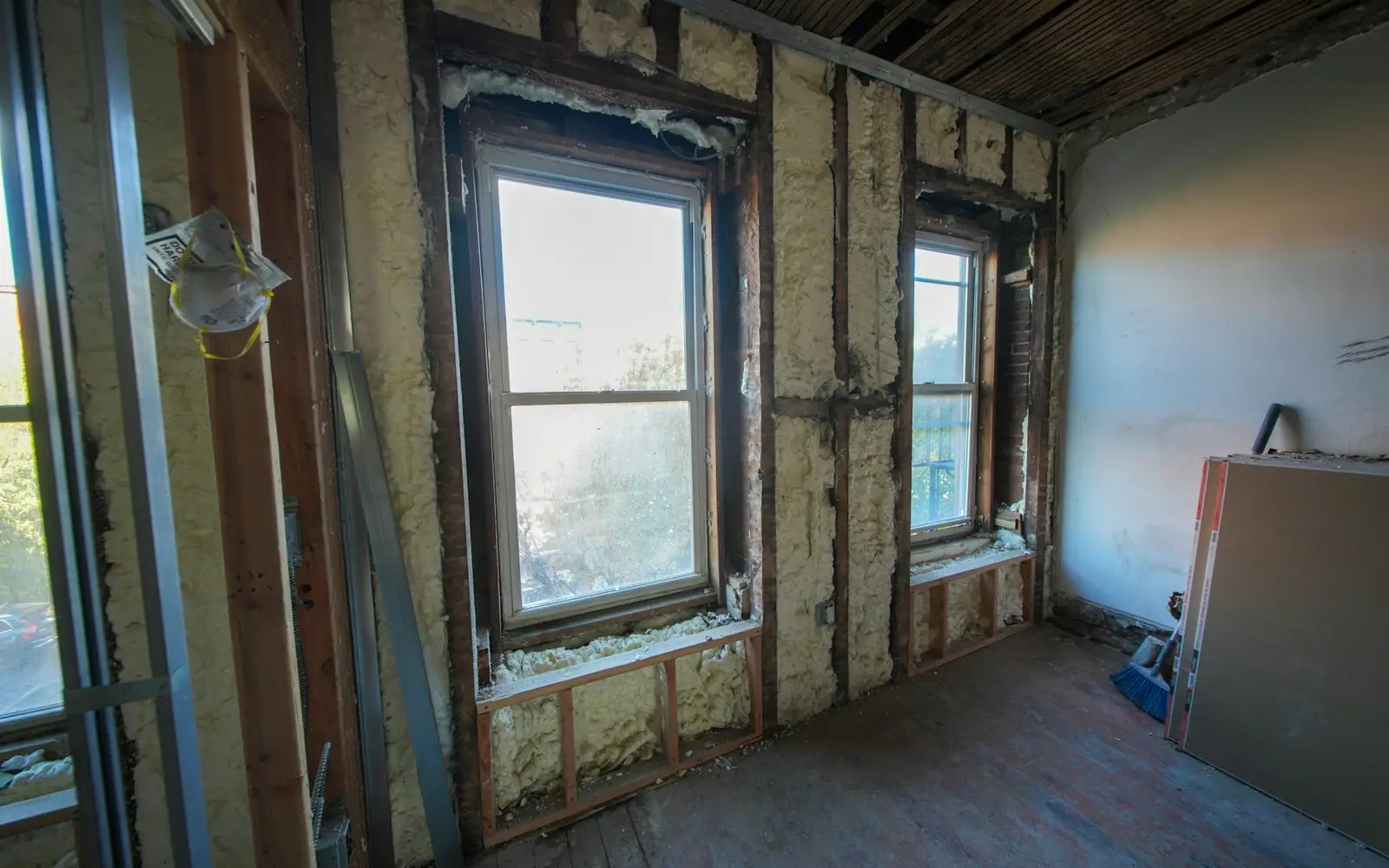
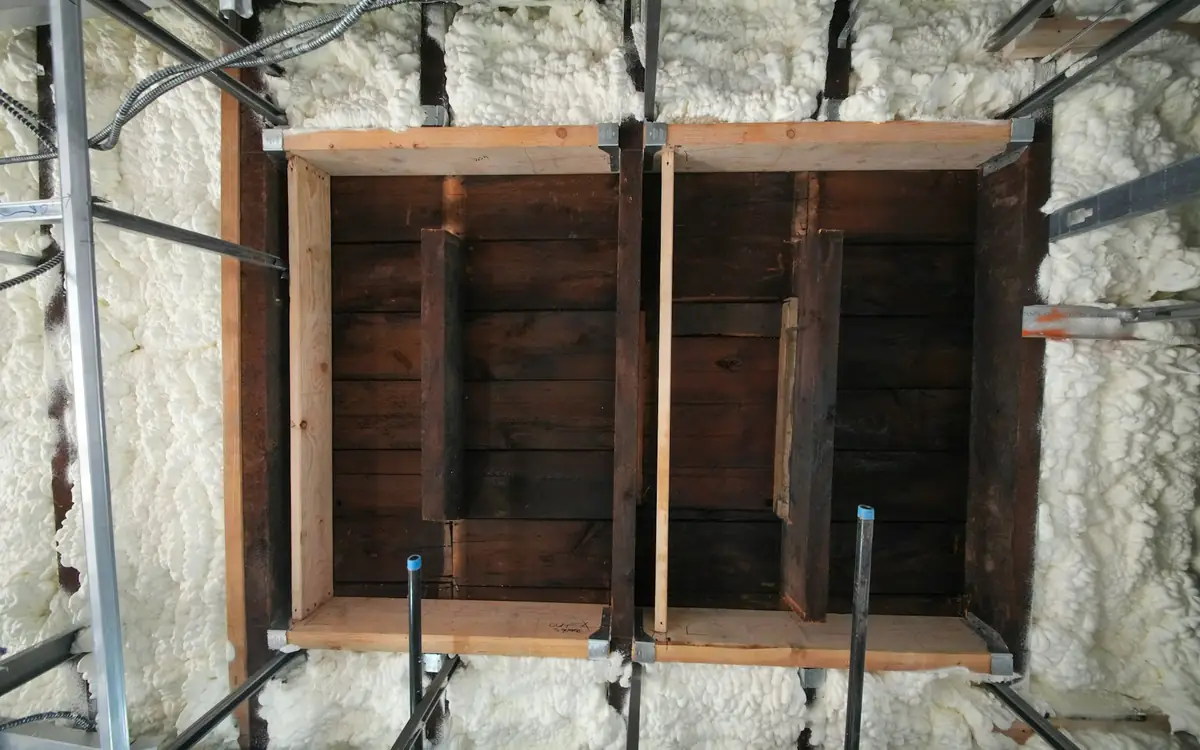
Spray foam is one of the most common ways to fix that. It sticks directly to metal panels and framing, insulates, and stops warm, moist interior air from reaching the cold steel where it condenses and drips onto vehicles, tools and equipment.
Common Projects
- Metal pole barns and post-frame buildings: closed-cell foam on the underside of roof and wall panels
- Detached and attached garages: foam in open walls and ceilings before finishing
- Heated shops and workshops: sealing and insulating so a heater can keep up
- Ag and equipment buildings: reducing condensation and protecting stored equipment
- Shop apartments or offices: insulating a living or work area inside a larger building

Why Closed-Cell Is Usually the Pick
Closed-cell foam is the usual choice for metal buildings because it acts as a vapor retarder, adds rigidity and gives high R-value in a thin layer. Open-cell foam can be used in some wood-framed shops, but it is generally not recommended directly against metal where condensation is the main concern.
Large buildings use a lot of material, so price depends heavily on square footage and thickness. Your installer may suggest different thicknesses for the roof and walls to balance cost and performance.
Before You Get a Quote
Have the building dimensions, wall height, door sizes and any planned heating ready when you call. Mention whether the space will be used as a living area, since fire protection and code requirements can change. If the building already has a vapor barrier or fiberglass blanket, tell the installer so they can plan for it.
It also helps to know your goals. A shop that only needs to stay above freezing may need less foam than one you plan to heat to room temperature every day. A clear picture of how you will use the building lets the installer recommend a thickness that fits both your budget and your winters.