When Wall Spray Foam Makes Sense
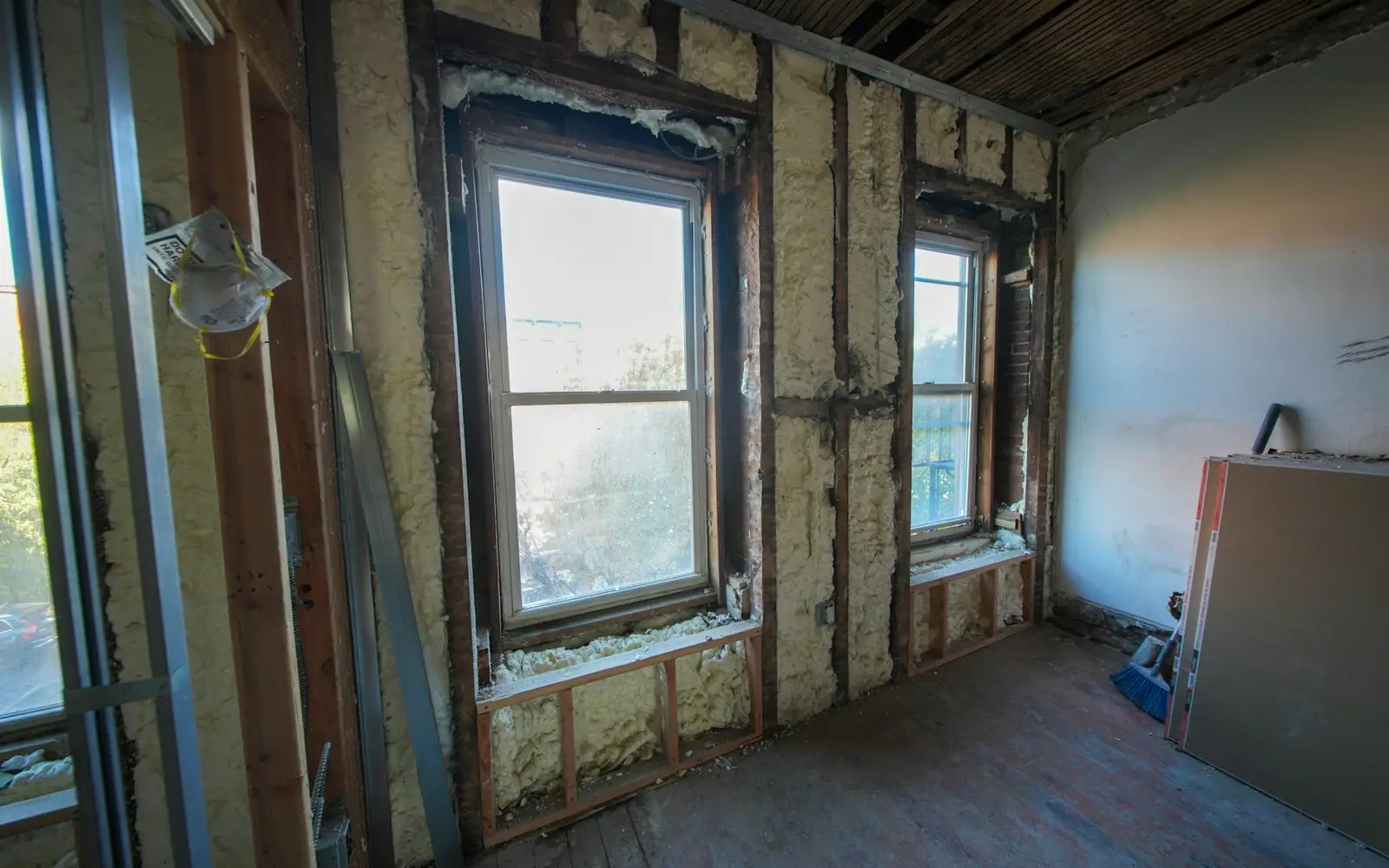
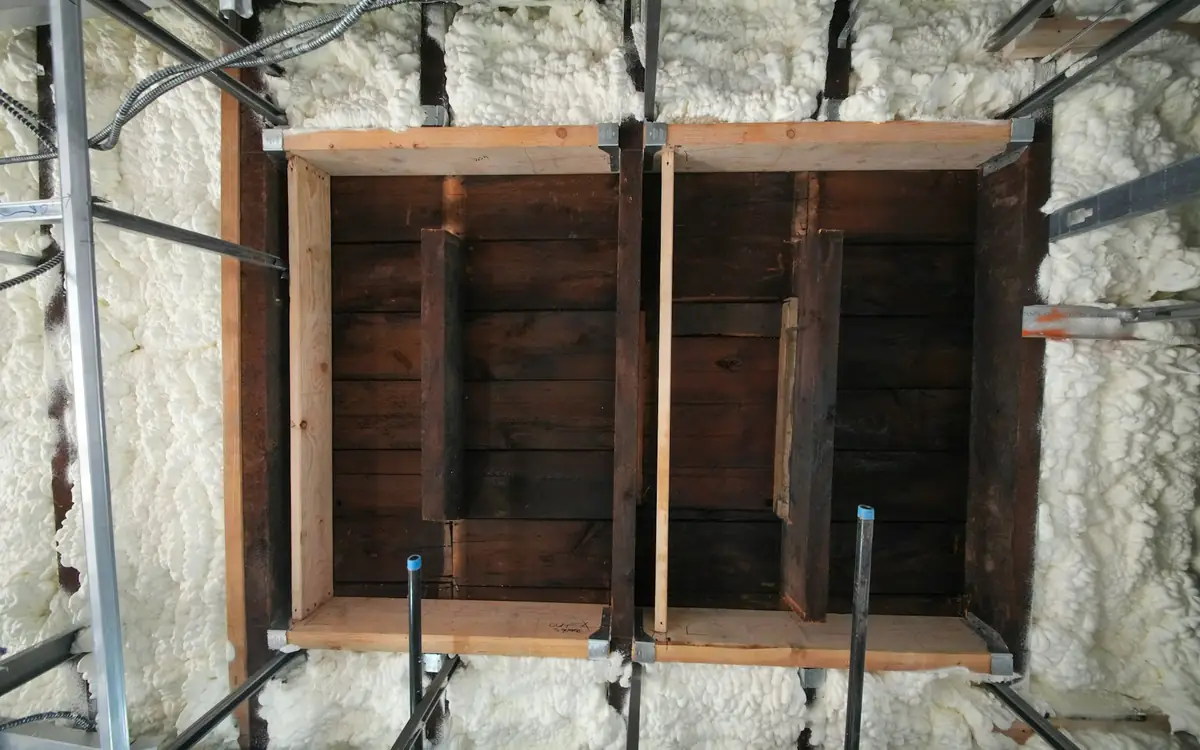
Spray foam works best in walls that are open to the studs. That includes new homes, additions, garage conversions, basement finishes and gut remodels. Once the framing, wiring and plumbing are in and inspected, an installer can spray the cavities before drywall goes up.
Because the foam expands to fill the cavity, it seals around outlets, wires and framing joints that are hard to seal with batts. That air sealing is a big part of why spray-foamed homes often feel less drafty and hold an even temperature through Spokane's cold snaps.
Open-Cell or Closed-Cell in Walls
- Open-cell foam fills the full cavity, seals air leaks and dampens sound. It is a common, lower-cost choice for interior-side wall insulation.
- Closed-cell foam delivers more R-value per inch and adds a moisture barrier. It is often chosen for 2x4 walls where space is tight, or for walls that need extra moisture control.
- Some builders use a hybrid: a thin layer of closed-cell foam for air and moisture sealing, followed by batts or blown insulation to fill the rest of the cavity.
- Your installer should explain how their plan meets the Washington State Energy Code for your project.

Working With Your Builder or Remodeler
Timing matters. Spray foam usually goes in after rough-in inspections and before the insulation inspection and drywall. Coordinate with your general contractor so the insulator is scheduled at the right point and the walls are ready.
Ask how windows, doors and penetrations will be sealed, and whether the installer will trim excess foam flush with the studs so drywall sits flat. Get the product, thickness and R-value for each area in writing.
What About Existing, Closed Walls?
Standard spray foam needs open walls. For finished walls in older South Hill or Browne's Addition homes, a contractor may suggest other options, such as injection foam or dense-pack blown insulation through small holes. Ask a local pro which approach fits your walls.
If you are already opening walls to update wiring, plumbing or windows, that is often the most cost-effective time to add spray foam. Once the cavities are exposed, the extra labor to insulate them is small compared to the long-term comfort you gain.