Where Valley Homes Usually Lose Heat
A lot of Spokane Valley housing dates from the decades after World War II through the 1970s and 80s. Homes from that era tend to share the same weak spots: a low attic with settled insulation, a basement or crawl space with an open rim joist, and plenty of small holes where wiring and plumbing pass between floors. Wind moving across the valley floor finds those gaps quickly in January.
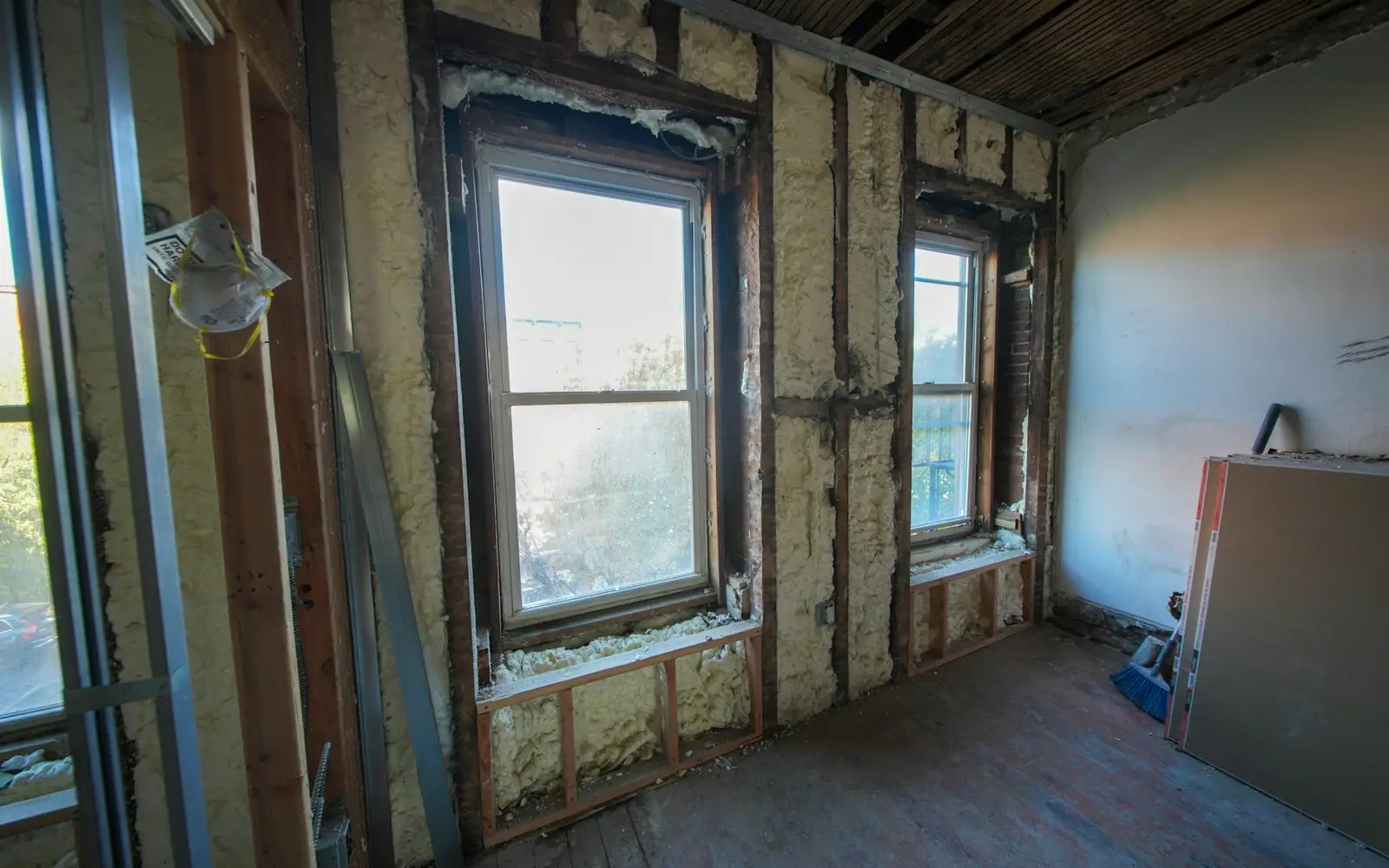
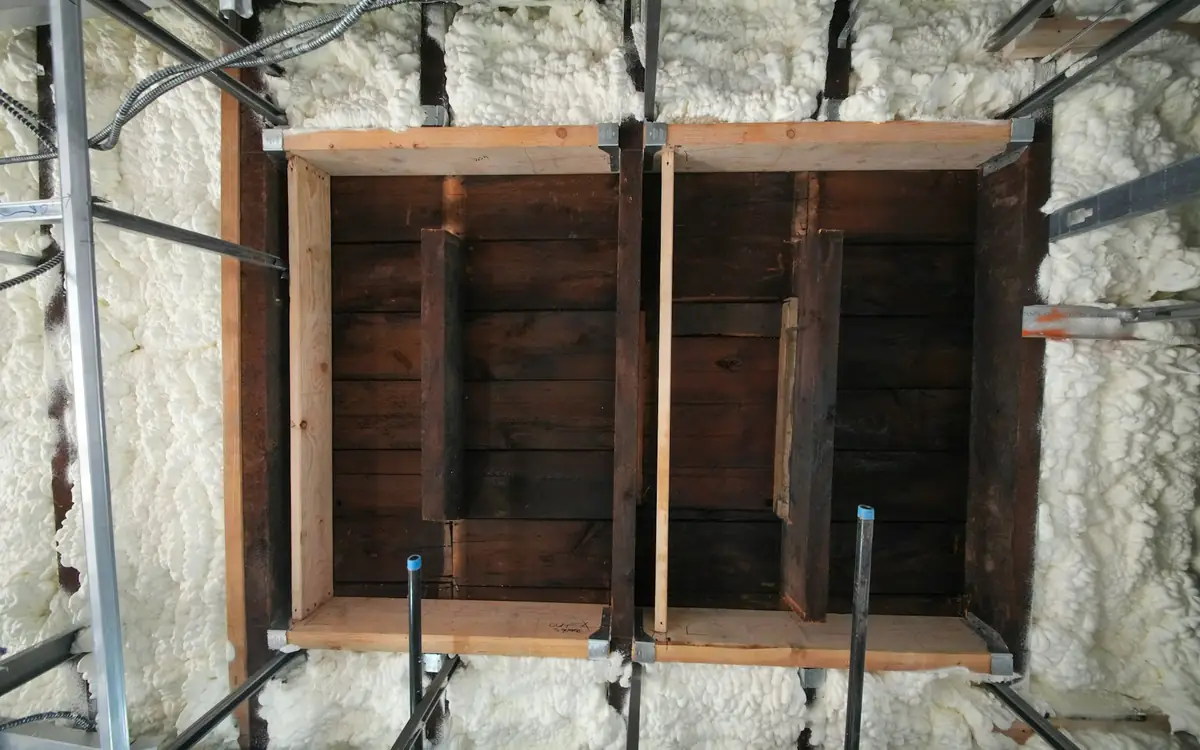
Spray foam is well suited to sealing those leaks because it expands into the cracks rather than just sitting on top of them. An installer will usually start at the rim joist and attic, since that is where air sealing tends to make the most noticeable difference.

Common Spokane Valley Projects
- Sealing and insulating basement rim joists in older ranch and split-level homes
- Air sealing the attic floor before topping it up with blown insulation
- Insulating detached garages and hobby shops used through the winter
- Closed-cell foam on crawl space walls in homes with cold floors
- Open walls during remodels or additions
Getting an Honest Estimate
Every house is different, so a good estimate starts with someone looking at your attic, basement and any outbuildings in person. Ask the contractor which foam they recommend, how thick they plan to spray it, and how they will handle ventilation and any combustion appliances nearby. For typical price ranges, see the cost guide on our main Spokane page. Those are planning figures only; your contractor quotes the final price after seeing the job.
We are a referral service, not an installer. The pros we connect you with are independent, and you are free to compare quotes before deciding anything.
Spokane Valley questions
My Spokane Valley house is a 1960s rancher. Where should I start?
Many contractors start with the basement rim joist and the attic floor, because that is where older ranch homes tend to leak the most air. An on-site look will tell you whether your home follows that pattern.
Can you help me insulate a detached garage or shop in the Valley?
Yes. We can connect you with independent installers who work on garages and shops as well as houses. They will ask how you heat the building and how you use it before recommending open-cell or closed-cell foam.